𝔒𝔯𝔠𝔥𝔦𝔡𝔰| Machine cultivations - Volume Ø
Project funded by the 2025 Leonardo.ai Imagination Fund
With nearly 30,000 species, orchids are among the most diverse plant families, captivating human desire through centuries of cultivation and hybridisation. If these processes have long been driven by human intervention, what new morphologies emerge when the cultivator becomes a machine? What does the machine "see" - or perhaps even "desire" - when confronted with the taxonomic structures, visual conventions, and preserved specimens of the herbarium archive?
𝔒𝔯𝔠𝔥𝔦𝔡𝔰 examines cultivation as it migrates from the botanical into the technological domain, positioning machine learning as a continuum site of cultivation.
Engaging the open image photographic archive of wild Australian orchid specimens held in the NSW Herbarium, a custom dataset was curated to train a LoRA model, with the idea to engage machine learning as a digital ecology”cultivating” orchid morphologies.
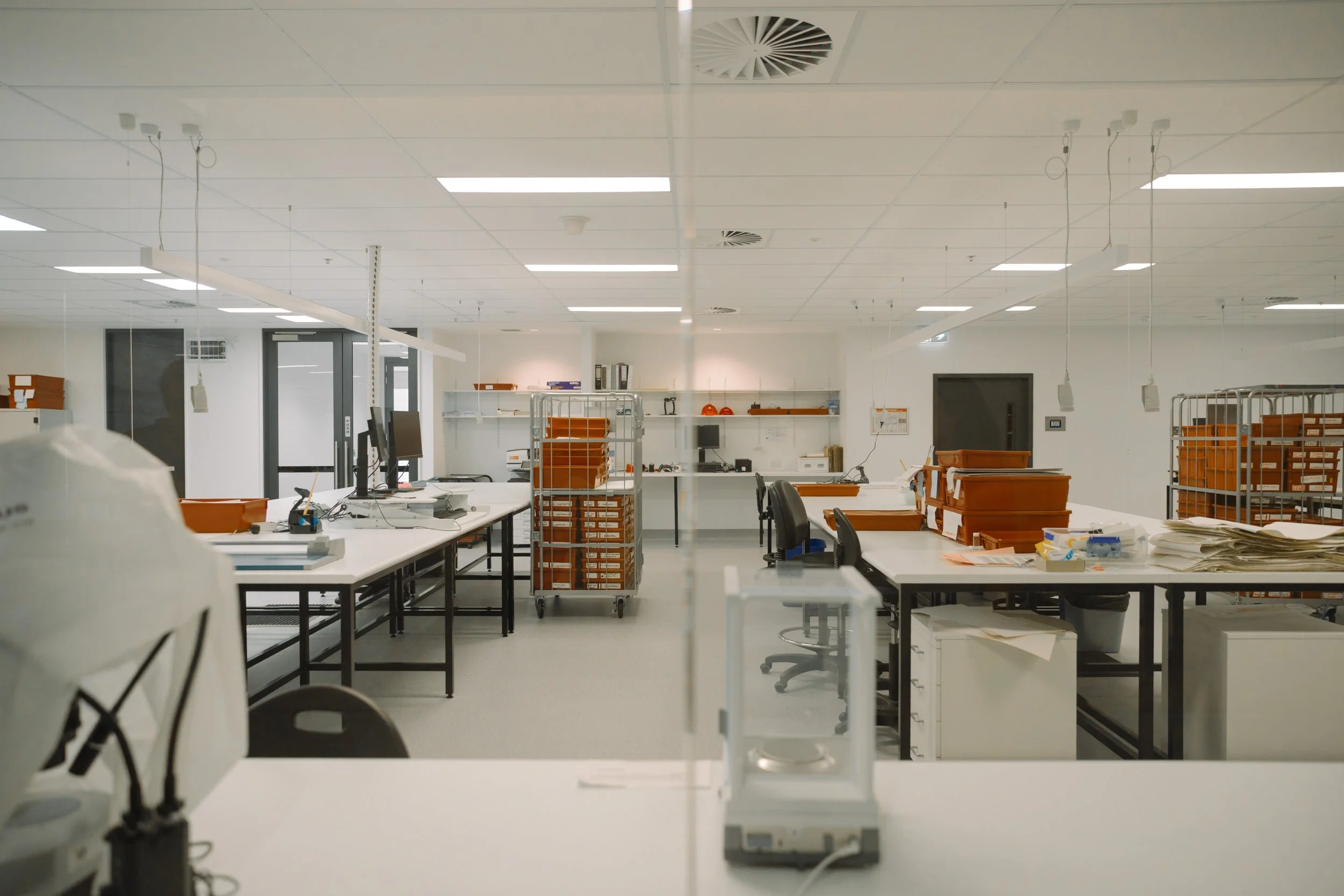
NSW HERBARIUM
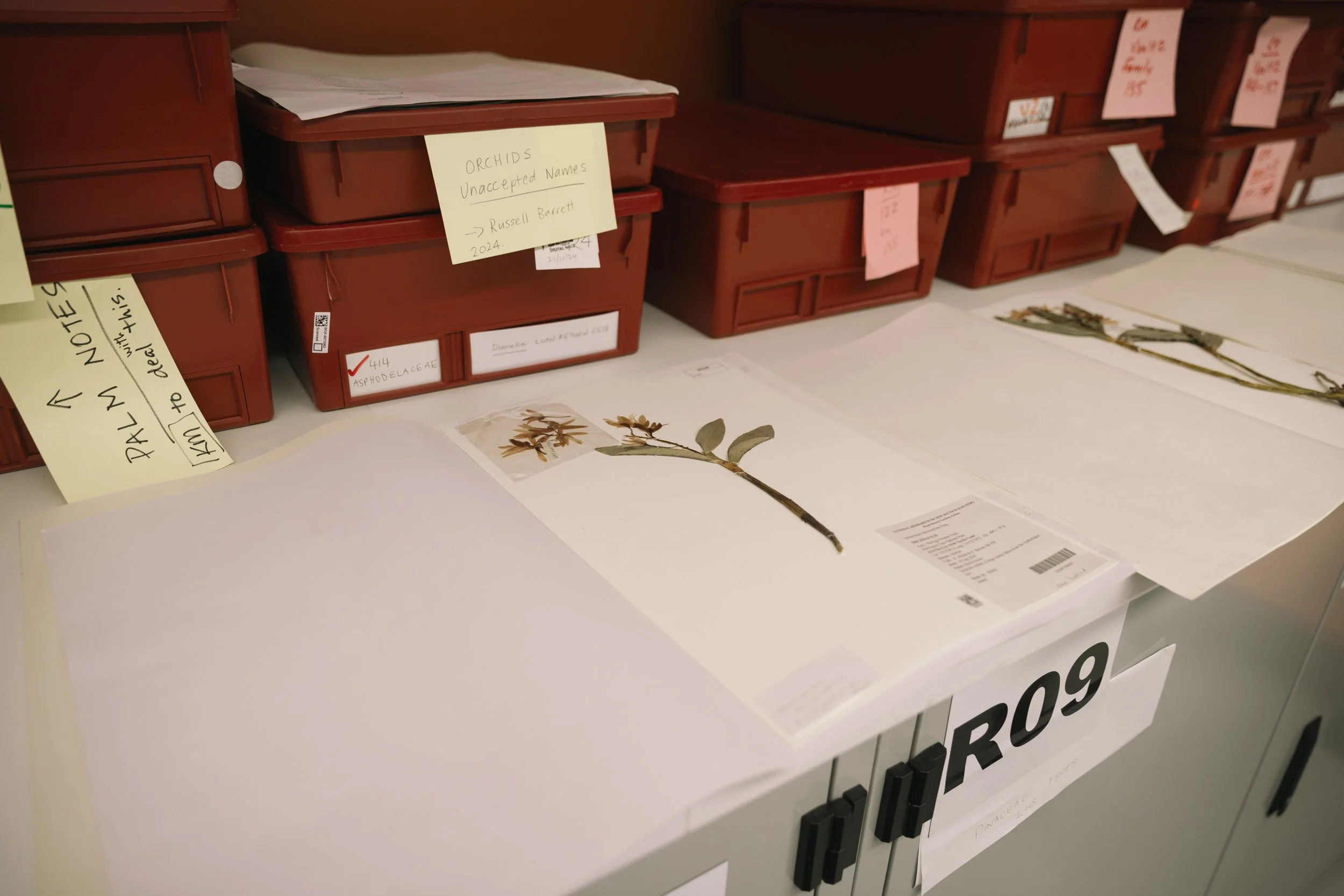
NSW HERBARIUM
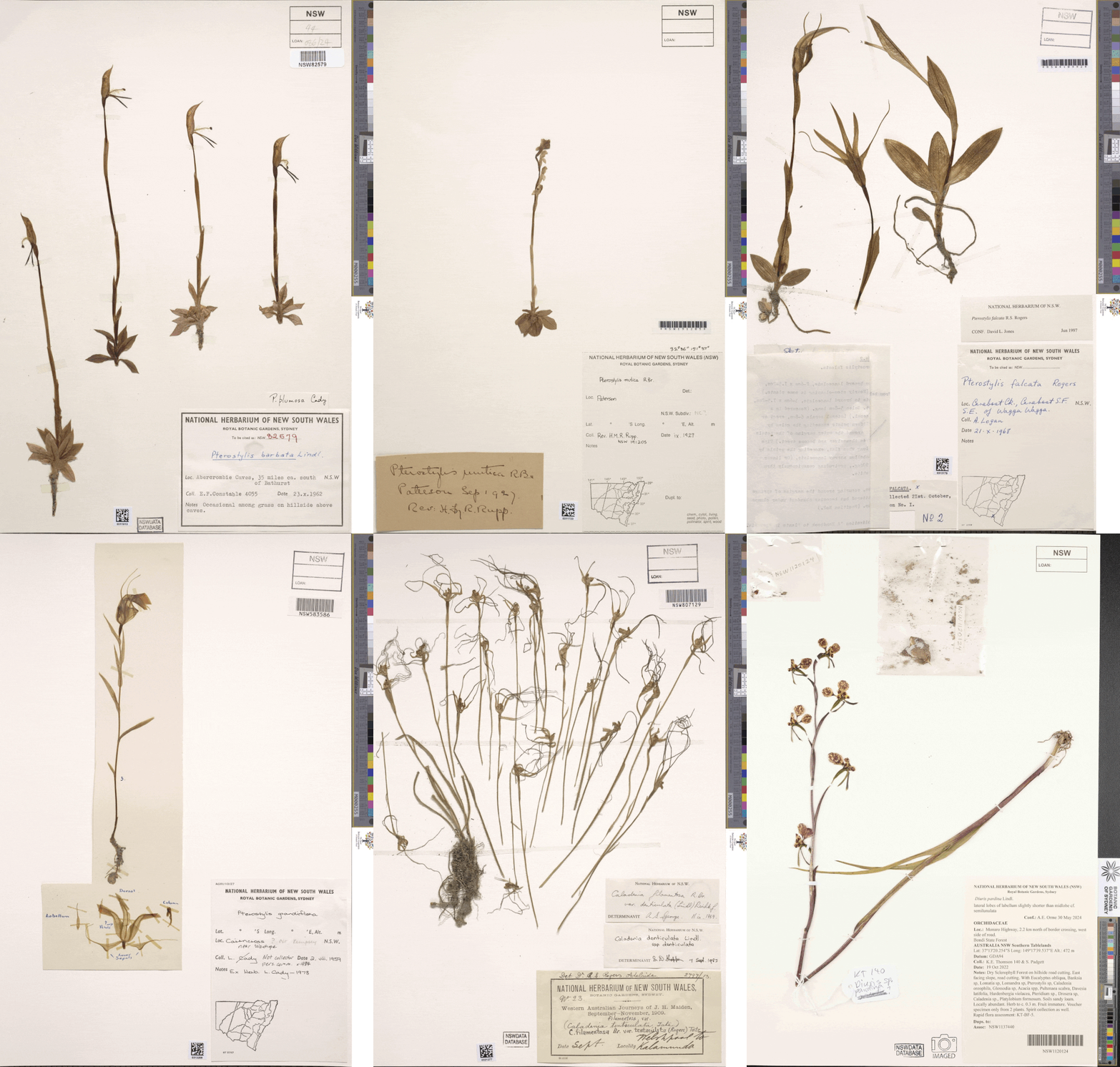
DATASET
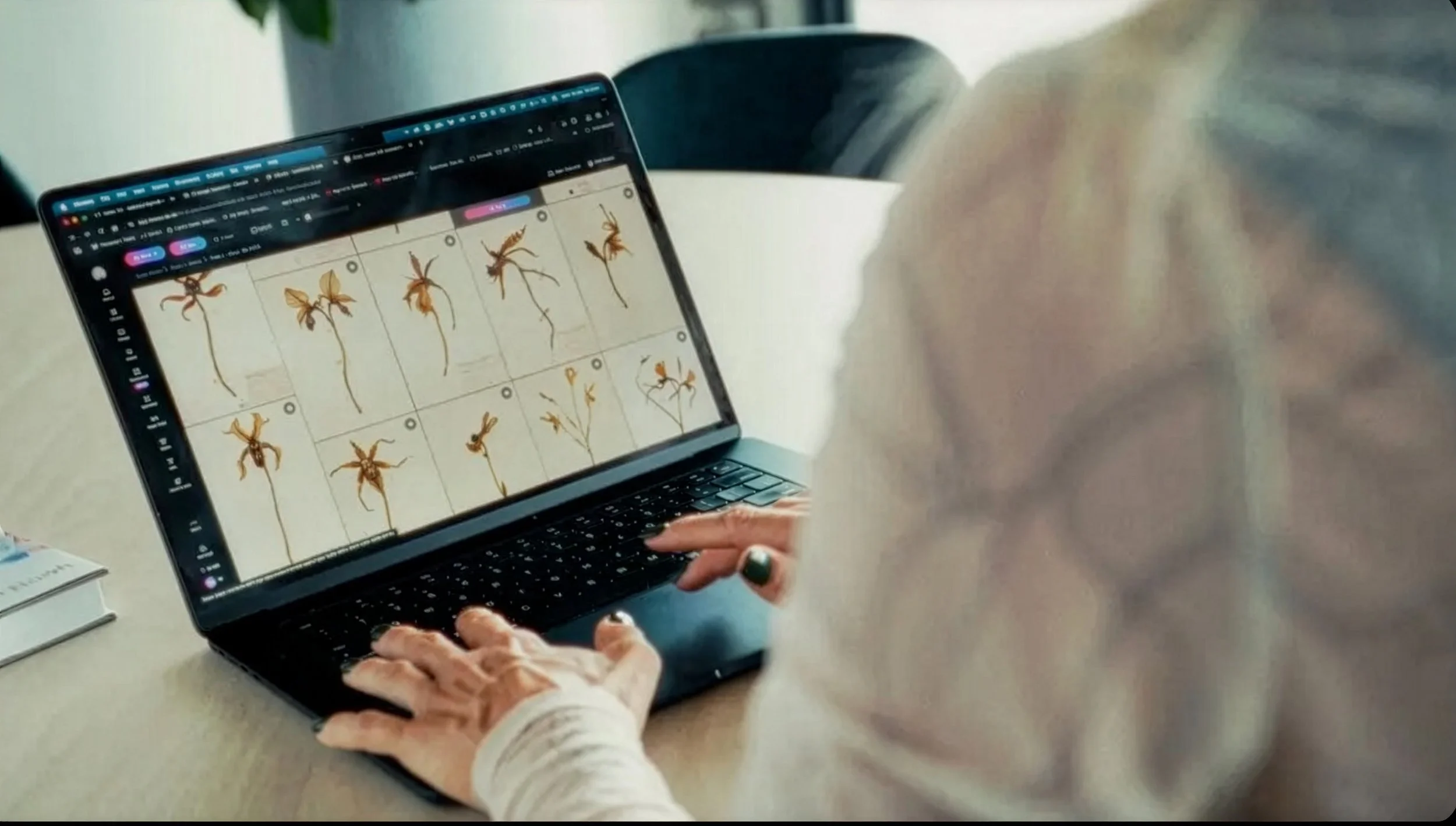
NSW HERBARIUM
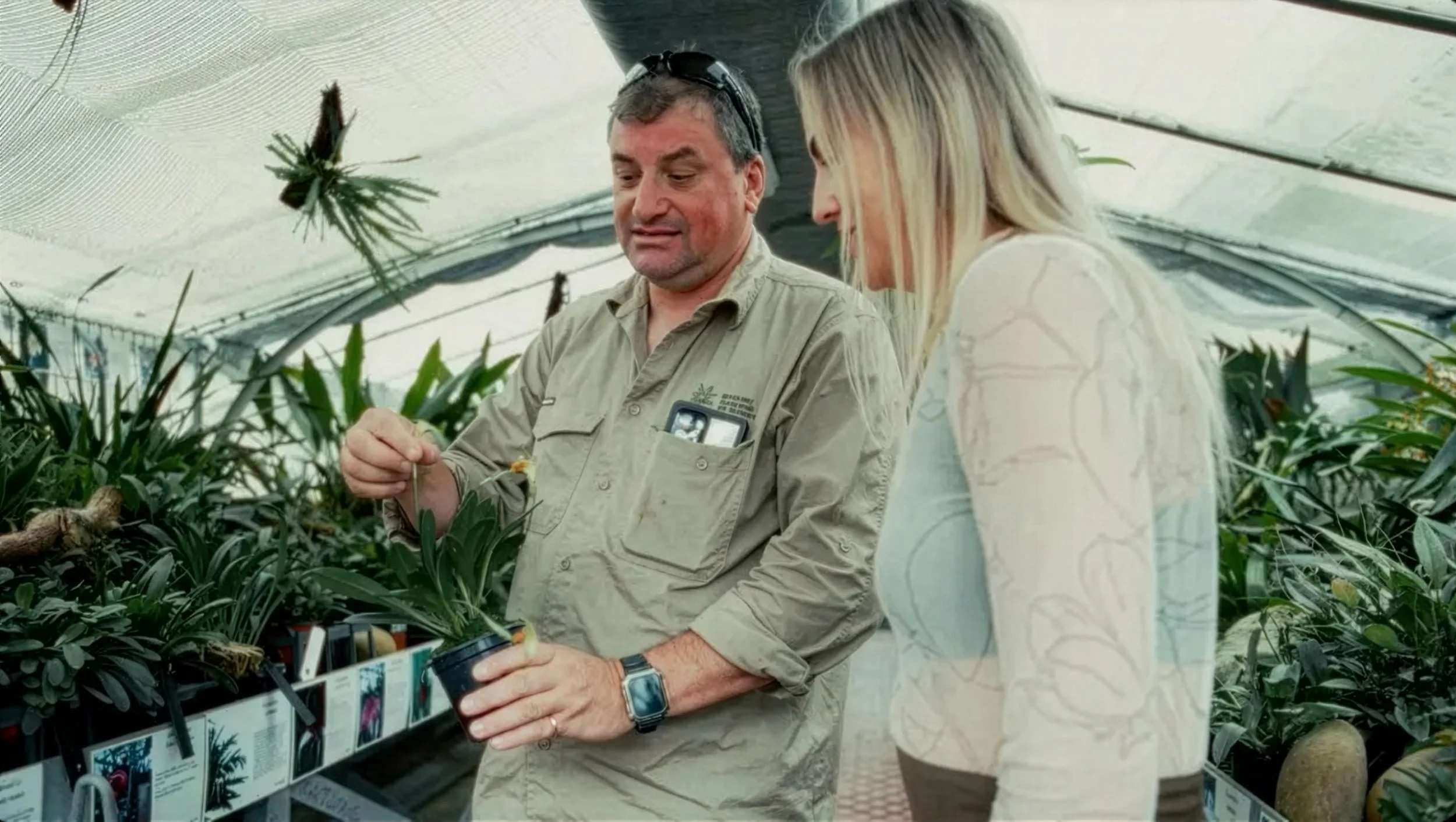
SYDNEY BOTANIC GARDENS
The model’s digital outputs are vectorized and inscribed by machines onto brass plates. Each plate functions as a die for blind embossing onto paper, a printmaking process that embosses without ink.
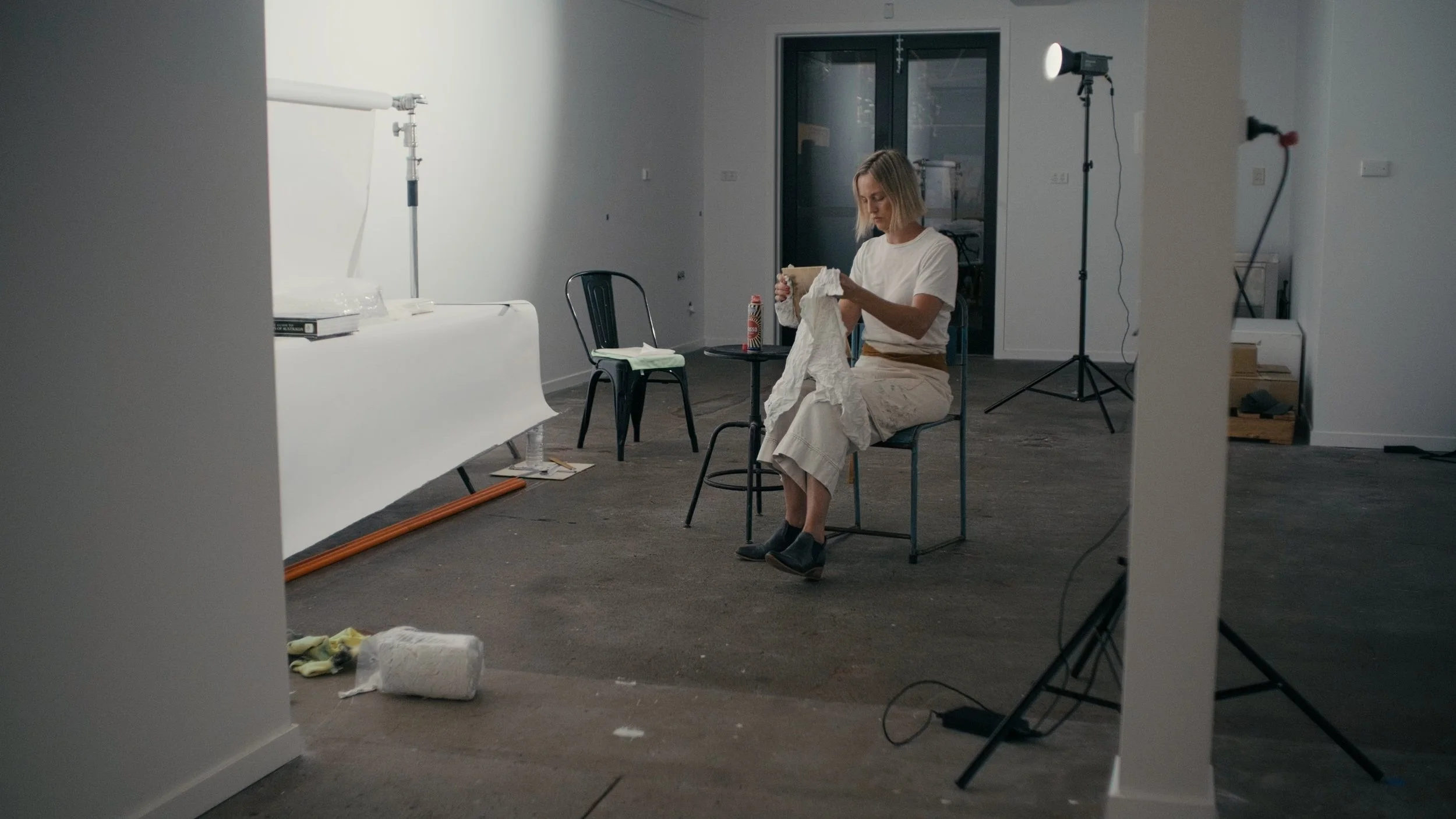
IN THE STUDIO
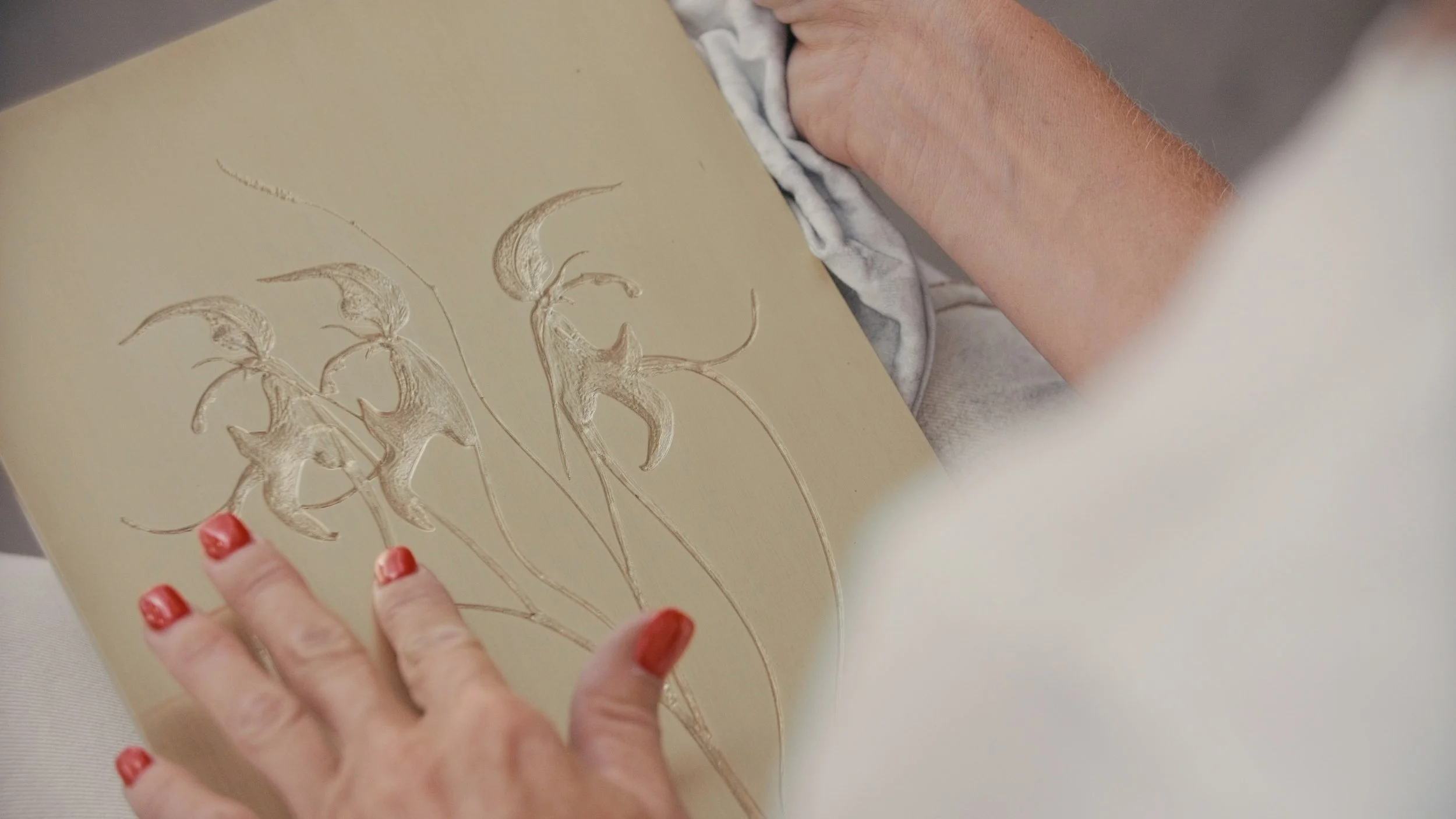
BRASS PLATE II
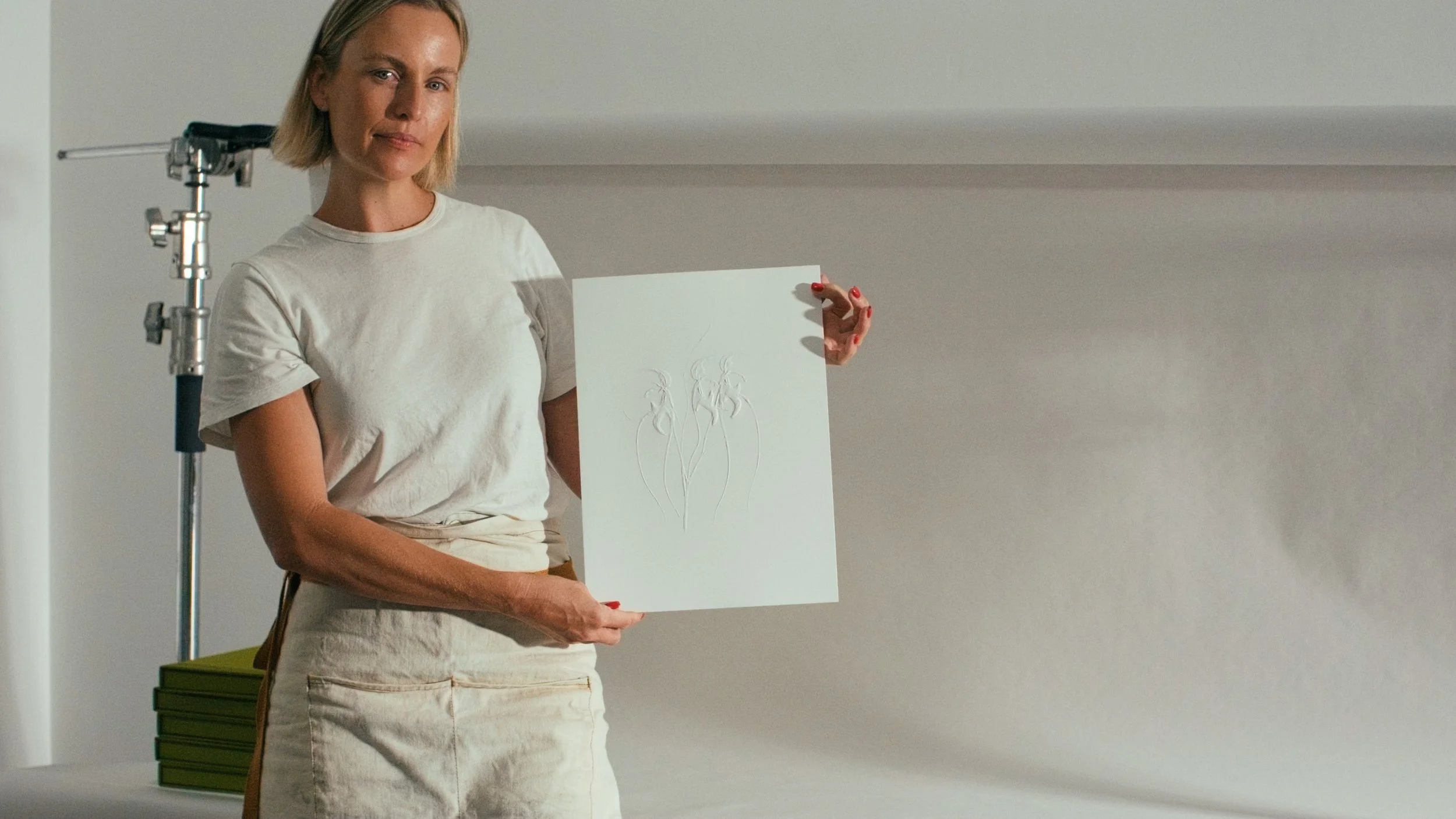
PLATE II | BLIND EMBOSSING
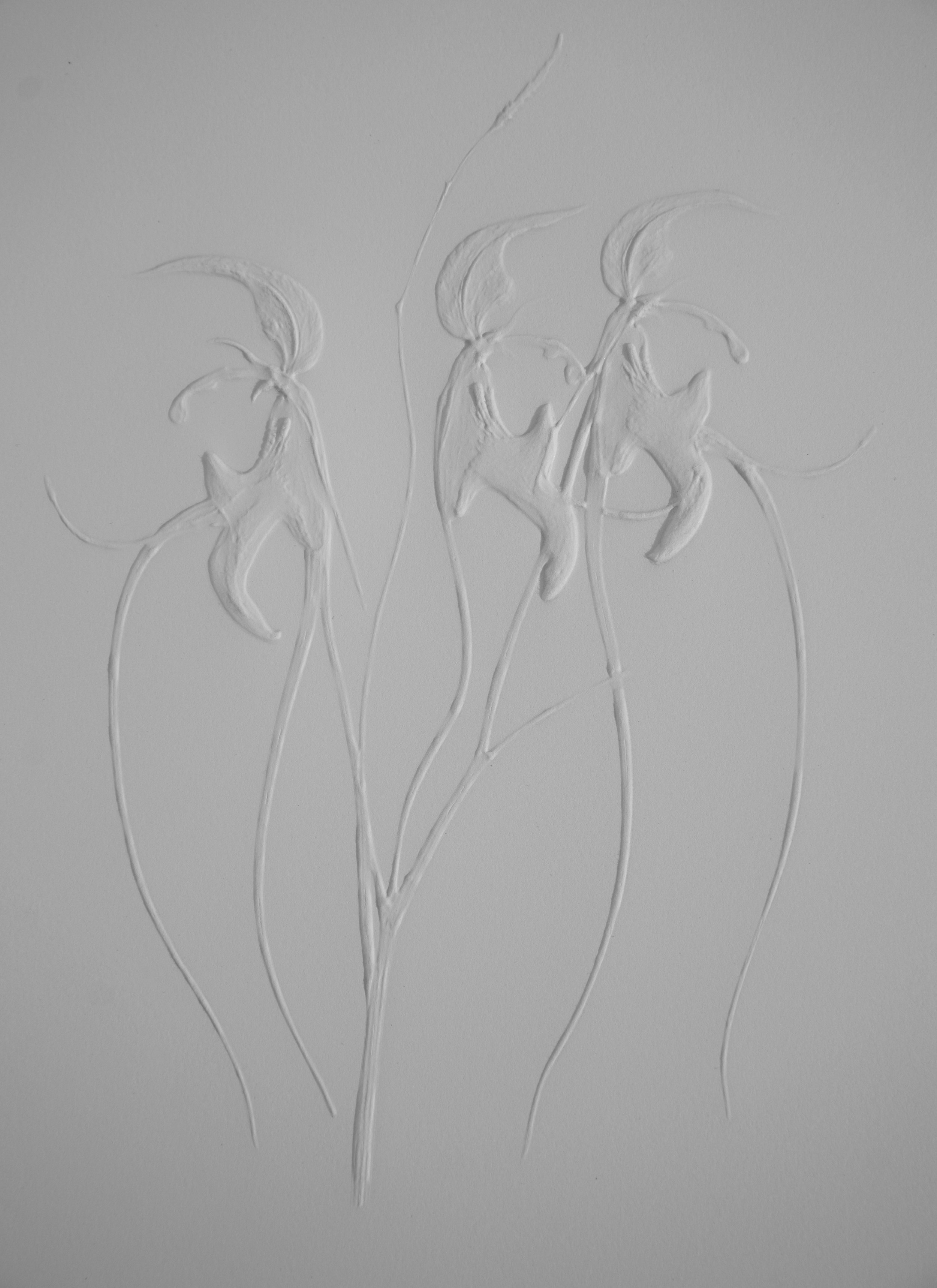
PLATE II | BLIND EMBOSSING
The raised reliefs appear as traces of forms that never existed, registering the presence of absence.
Together, the sculptural brass dies and works on paper are preserved as tactile, fossilized records of the model’s cultivated orchids, mirroring the ontologies of preservation found in the original herbarium dataset.
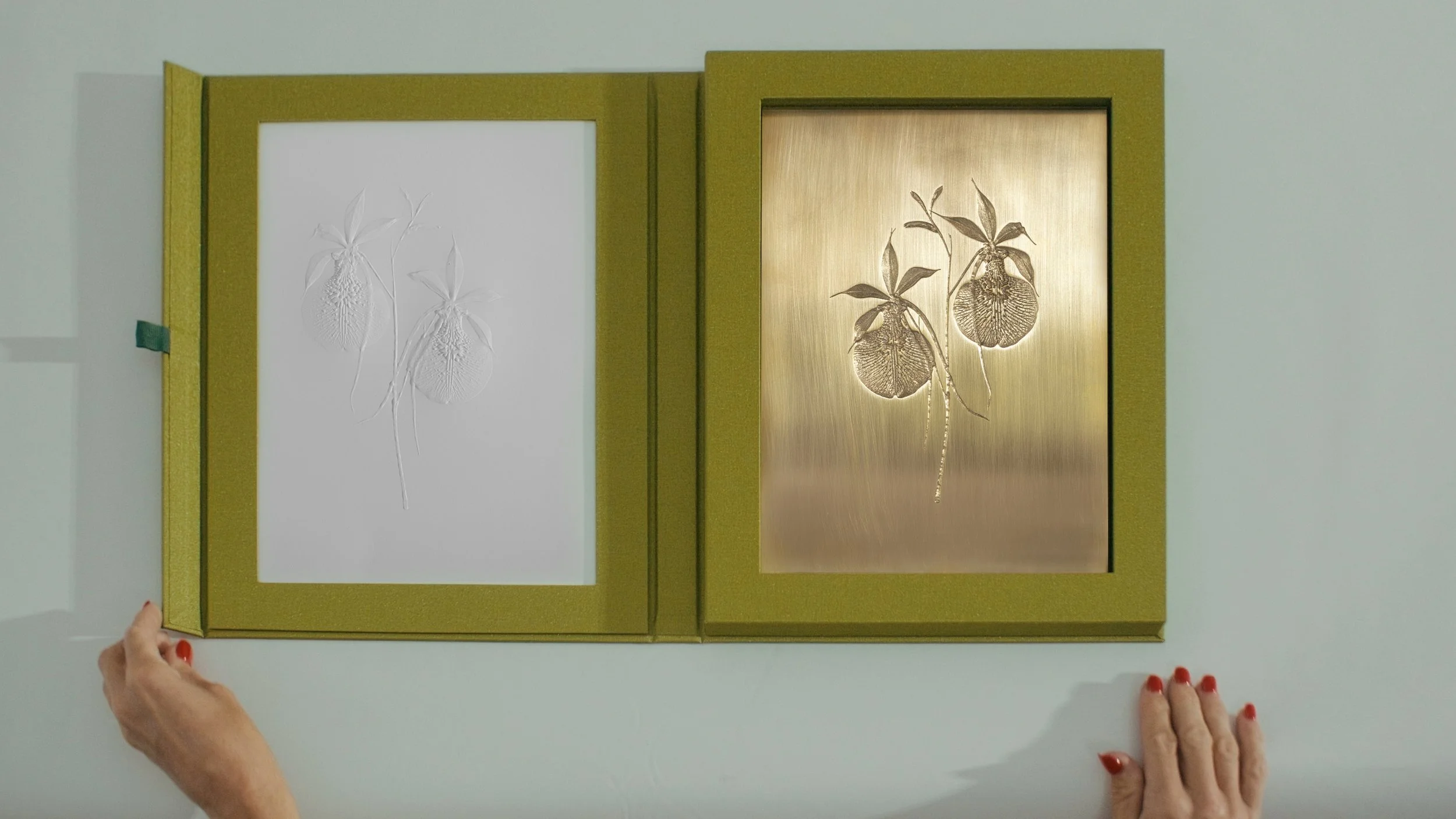
PLATE V
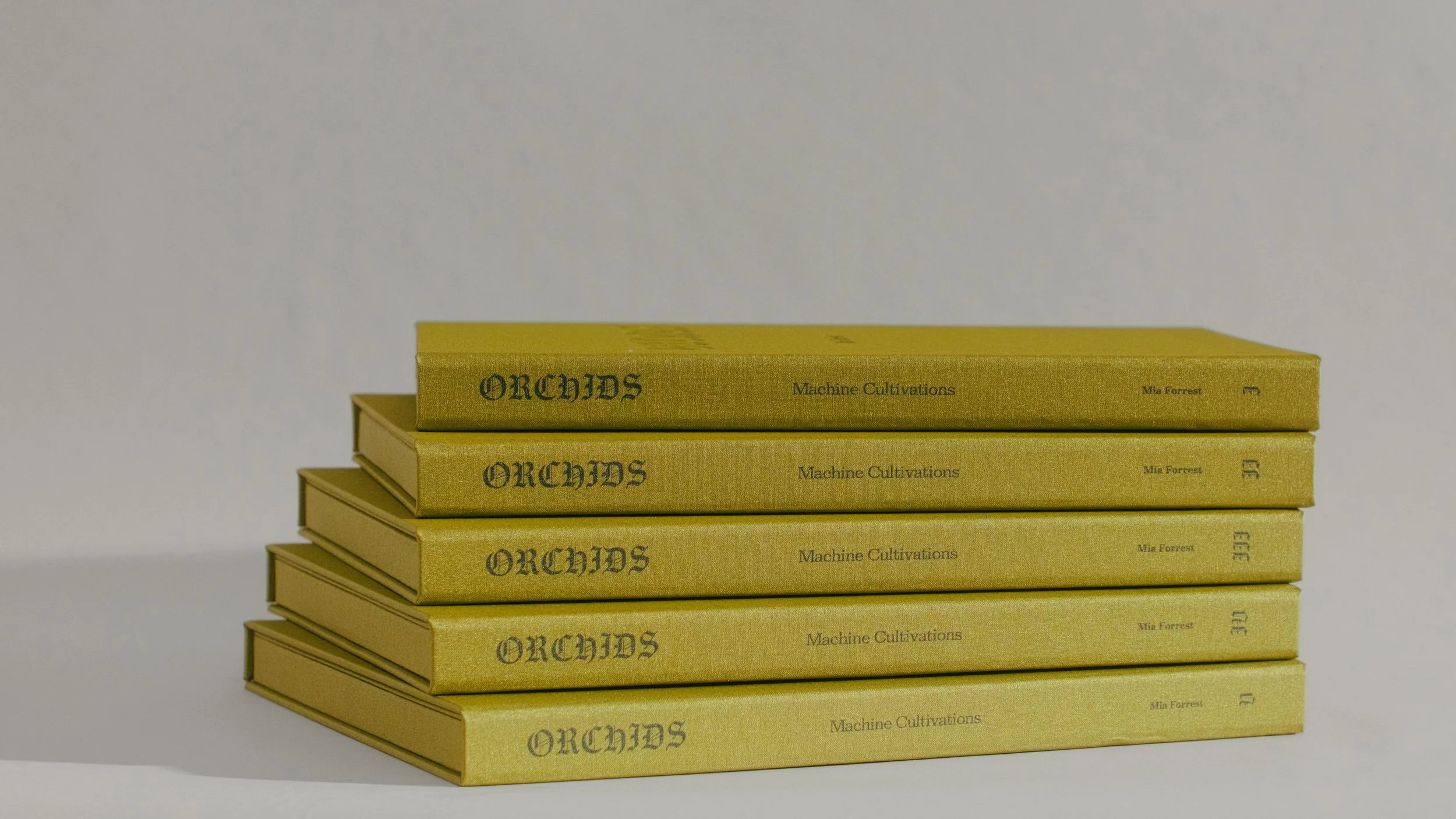
SUITE OF FIVE PLATES
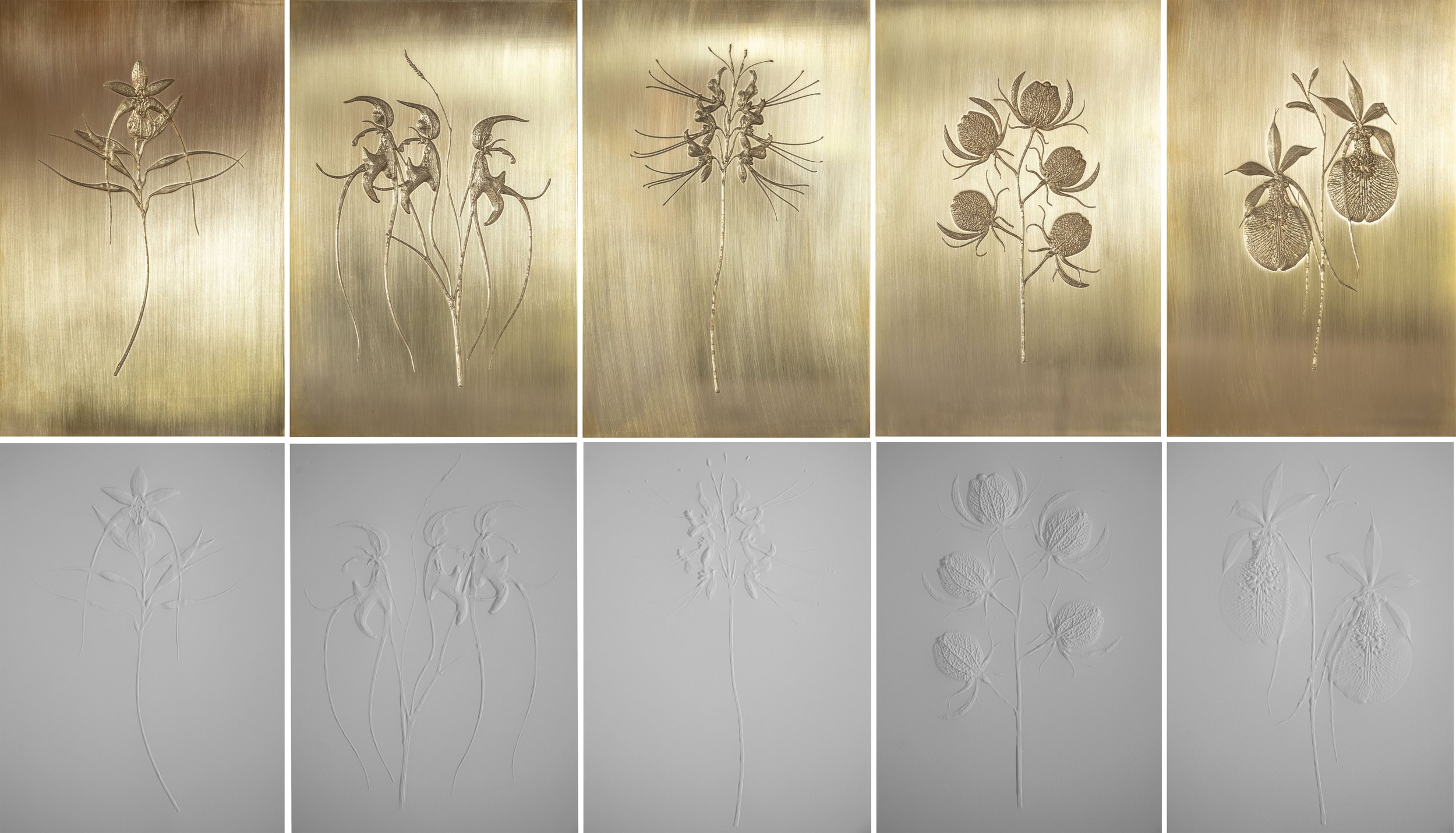
PLATE I - PLATE V
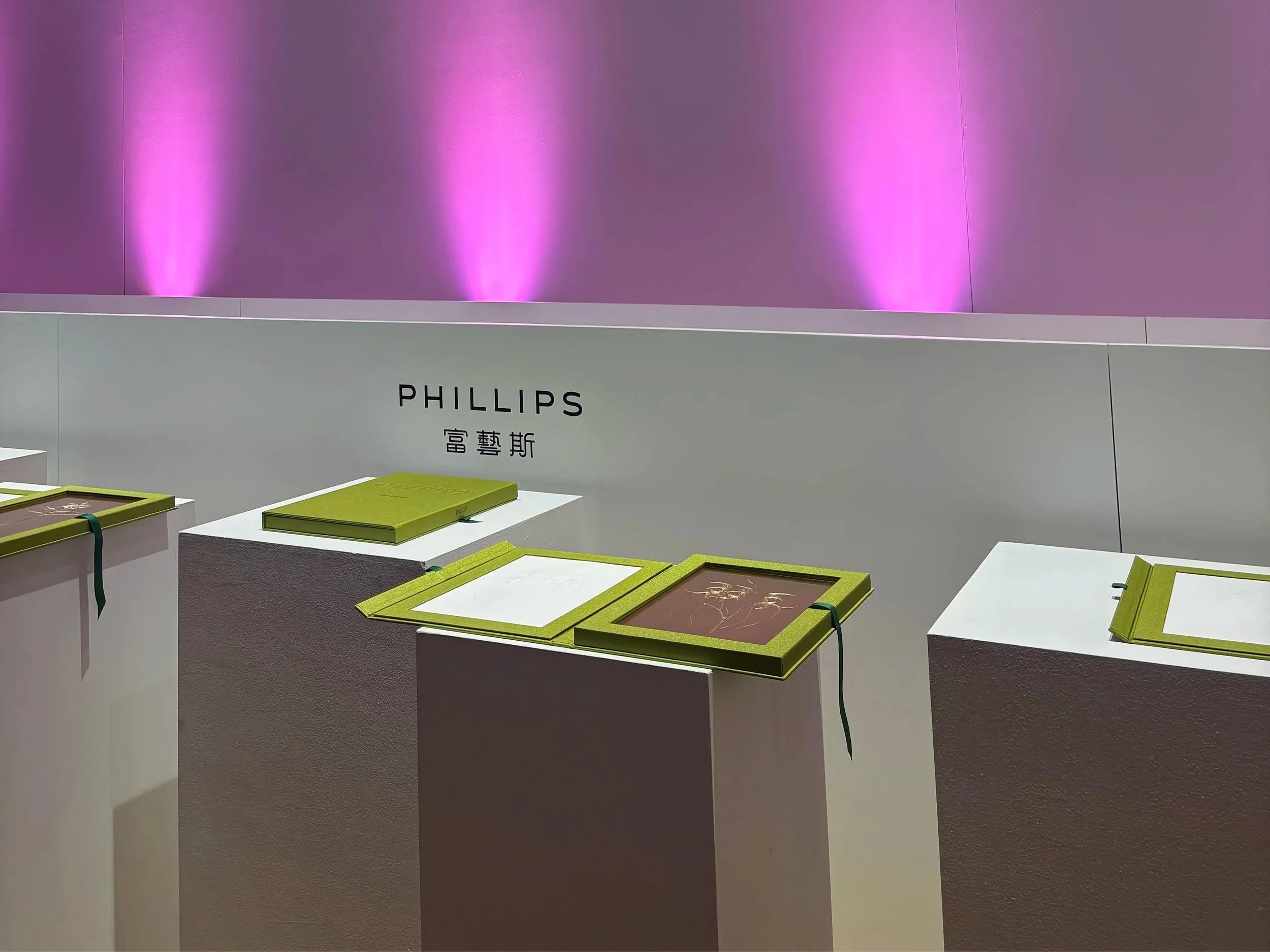
𝔒𝔯𝔠𝔥𝔦𝔡𝔰 was shortlisted as a finalist for the 2026 Digital Art Awards, curated by HOFA and presented in partnership with Phillips and Hivemind Capital at Phillips Asia HQ in Hong Kong on the occassion of Hong Kong Art Week.